A generator looks cheaper because you pay for it once and the rest arrives quietly, in petrol stations and mechanic visits, spread over years. Put both options on the same five-year footing and the comparison changes shape entirely.
The purchase price is the smallest number in the comparison
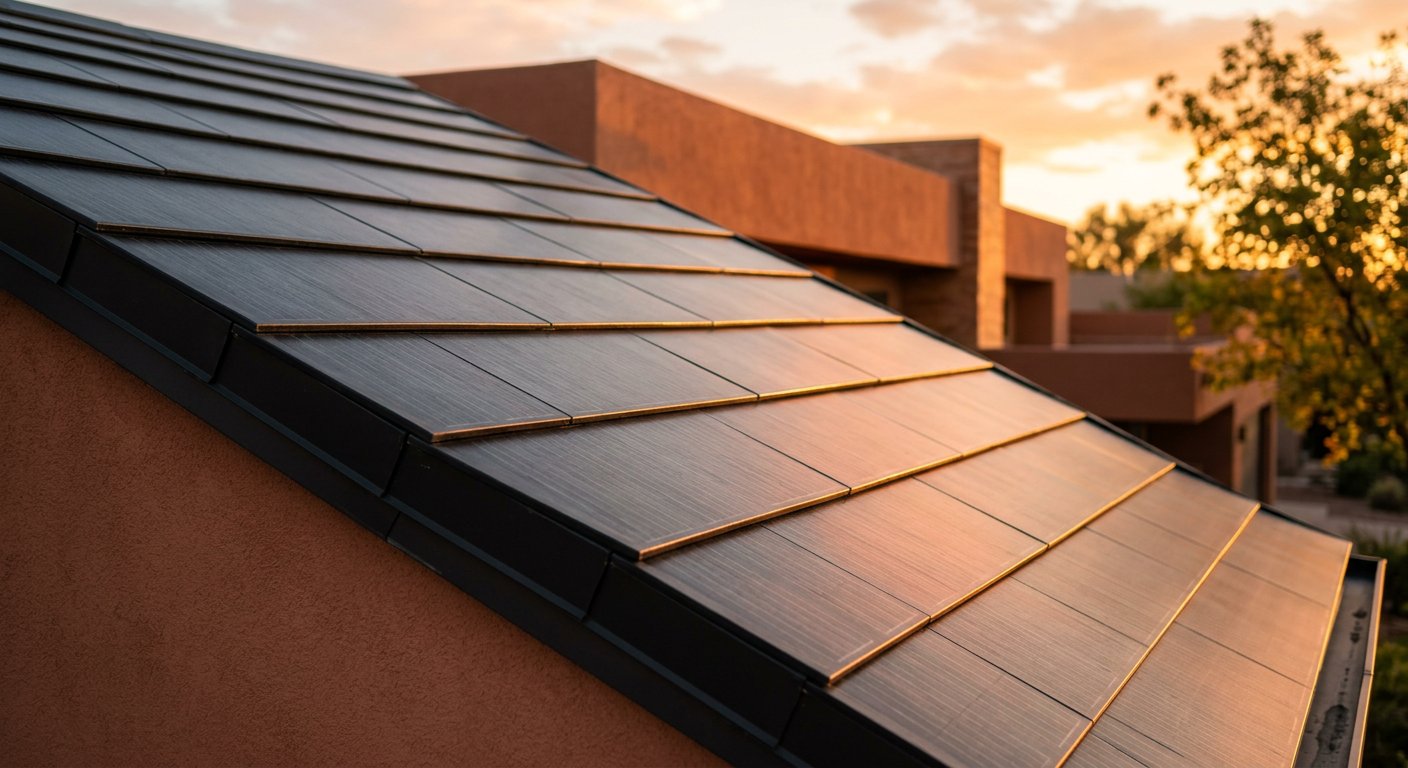
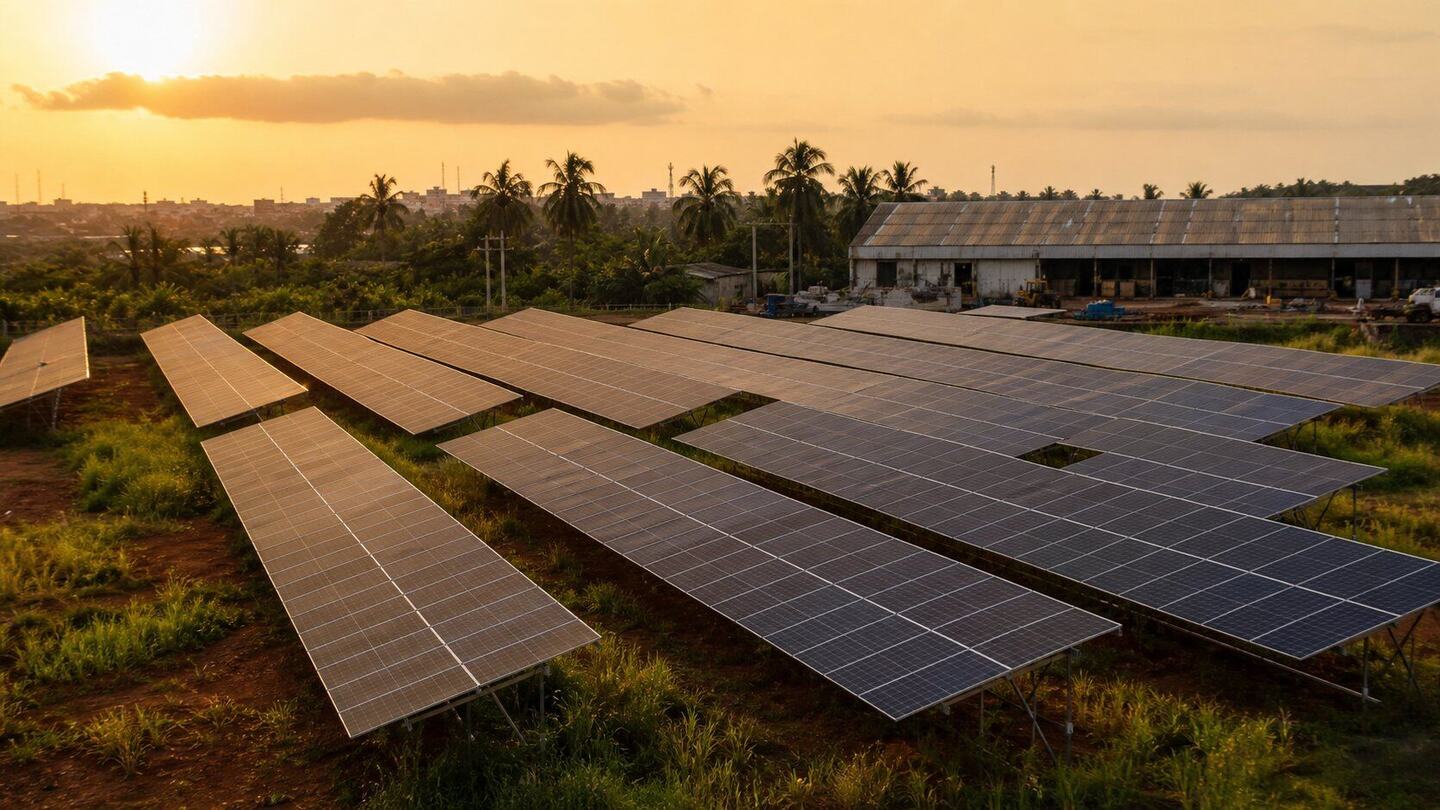
A generator wins on day one and starts losing on day two. Solar and inverter systems cost more upfront and then cost very little: no fuel, no oil, no filters, no rewind, no noise.
The only fair way to compare them is total cost of ownership over the life of the equipment. Five years is a reasonable window — long enough for running costs to dominate, short enough that you can still picture it.
Fuel is the line that decides the argument
Work it out for your own household rather than trusting a generic figure. Take your generator litres per hour, multiply by hours run per day, by the current pump price, by 365, by five. That single number is usually larger than the entire cost of a properly sized hybrid system.
Then remember the direction of travel. Fuel prices have not moved downwards in any five-year window in recent memory, and every increase makes the same comparison worse for the generator.
Servicing, parts and the quiet cost of downtime
A generator in daily use needs oil and filters on a schedule, plugs and belts periodically, and at some point a rewind or a replacement. None of those are catastrophic individually; together, over five years, they are a second purchase price.
Downtime is the cost nobody puts in the spreadsheet. When the generator will not start, a shop stops trading, a clinic loses its cold chain, a family loses a night of sleep. Solar with a battery covers the outage silently and instantly, without anybody walking outside to pull a cord.
What solar genuinely costs you over the same period
Being honest about the other side: panels degrade slowly and carry 20–25 year performance warranties. A good hybrid inverter is a 10-year component. Lithium batteries are rated in cycles and typically give 8–10 years of daily use; tubular batteries considerably less, which is why they often look cheaper and are not.
So across five years a well-specified system usually has no replacement cost at all — the battery is the only part with a foreseeable end of life, and it normally sits beyond the window.
The answer is usually both, in the right order
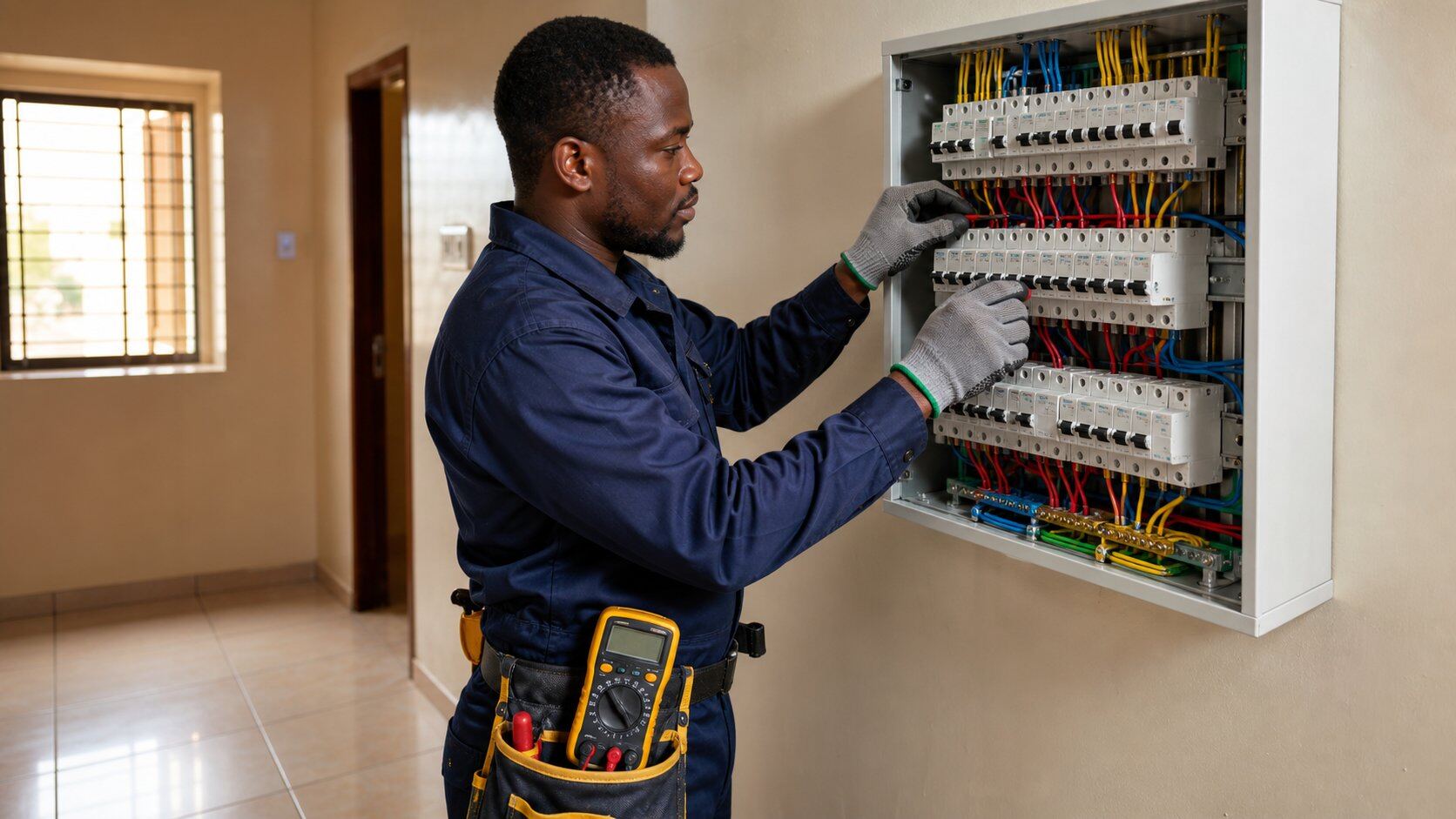
This is not an argument for throwing the generator away. It is an argument about which one is the main supply. In most of the systems we install, solar and battery carry the daily load, and the generator is retained through an interlocked automatic changeover as a last resort for the genuinely bad week.
That arrangement collapses fuel consumption to a fraction of what it was, removes the noise and fumes from ordinary days, and still leaves you with a backstop. You keep the resilience and stop paying for it daily.
Run your own five-year fuel number before you buy another generator — litres per hour, hours per day, pump price, times five years. Most people are surprised by the total. Then ask what a system sized to your measured load would cost, and compare like with like.