Almost every undersized system in Lagos was sold the same way: someone asked how many rooms you have, quoted a familiar package, and left. Sizing is arithmetic, not intuition, and the arithmetic is not difficult. Here is the whole method.
Start with what you actually run, not what you own
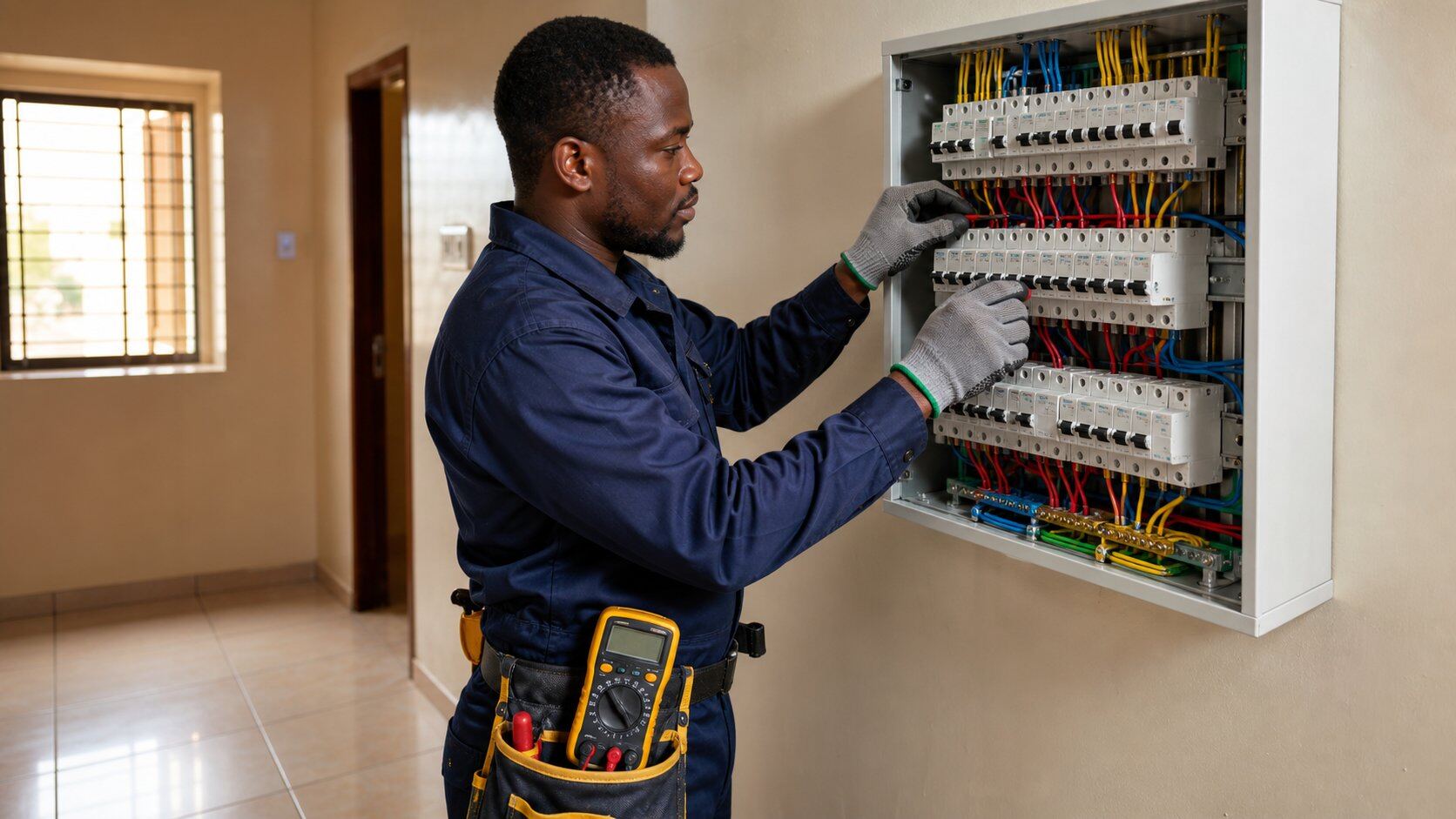
List every appliance you want the system to carry, its wattage, and the hours it runs on a normal day. Wattage is on the rating plate; where it is not, we measure it with a clamp meter during the site visit. Multiply watts by hours to get watt-hours, then add the list up.
The discipline is in the second column. A 1,000W pressing iron that runs twenty minutes a day costs you 333Wh. A 60W fridge that never stops costs you 1,440Wh. People size for the iron and get caught by the fridge.
Separate daily energy from peak demand
Two different numbers do two different jobs. Total daily watt-hours decide the battery bank and the panel array. The largest number of watts running at the same instant decides the inverter.
Motors make the second number bigger than it looks. An air conditioner, a borehole pump and a fridge compressor all draw a surge several times their running load for a second or two at startup. An inverter sized to the running total will trip on the surge, which is the single most common complaint we are called out to fix.
Size the battery for the night you actually have
Take your evening and overnight watt-hours — not the full 24-hour figure — and divide by the usable depth of discharge. Lithium gives you around 80–90% of its rated capacity; tubular batteries closer to 50%. A bank rated 10kWh is therefore 8kWh of lithium or 5kWh of tubular in practice.
Then decide how many cloudy days you want to survive without the grid or a generator. Every extra day of autonomy multiplies the bank, and the cost with it. Most Lagos homes settle at one night of full autonomy plus a generator interlock for the rare bad week — that is usually the honest balance between resilience and spend.
Size the array to refill the bank, not to look impressive
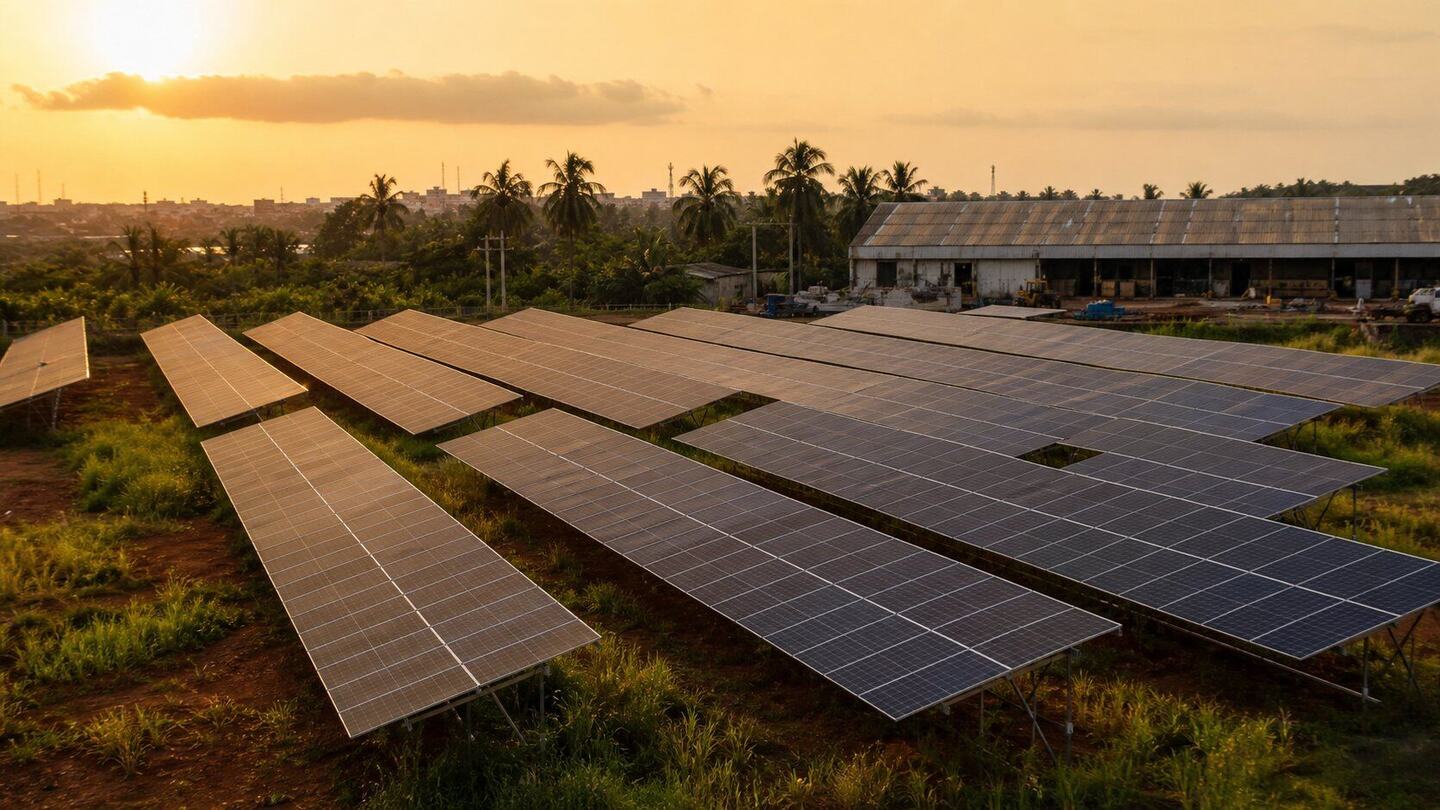
Panels exist to put back what the night took out, with enough margin for harmattan haze and the rainy season. Lagos gives roughly four productive sun-hours a day averaged across the year, so divide your daily watt-hours by four to get the array size, then add 25–30% for losses, soiling and weather.
Check the answer against your roof before you commit. Available, correctly oriented, unshaded roof area is a hard constraint, and it is better to discover it during design than on installation day.
The five mistakes we find most often
Almost every system we are called to rescue fails on one of these:
- Sizing from room count instead of measured load
- Ignoring motor surge, so the inverter trips on startup
- Quoting battery capacity without stating usable depth of discharge
- An array too small to refill the bank, so the batteries slowly die
- No headroom for the appliances you will inevitably add later
Sizing is not a dark art. It is a load audit, two sums and an honest conversation about how many bad days you want to ride out. Insist on seeing the numbers before you see a price — any installer who will not show you the arithmetic is guessing with your money.